Proven Care Approaches for Hip Dysplasia in Dogs
Hip dysplasia is a routine affliction in dogs that can markedly influence their life quality. Varied treatment solutions are available, often requiring a targeted methodology for each specific dog. Conservative approaches can relieve complaints, but surgery might be obligatory in more extreme cases. Appreciating the particulars of both care options is imperative for dog guardians. What aspects should be deliberated when deciding upon the right path forward for a precious pet?
Learning About Hip Dysplasia in Dogs
Hip dysplasia is a common orthopedic condition affecting many dog varieties. This genetic disorder develops when the hip joint does not fit properly into the hip socket, producing joint instability and potential arthritis as the dog ages. Various breeds, particularly larger ones like German Shepherds and Golden Retrievers, are more predisposed to this condition. Environmental factors, such as nutrition and exercise, can exacerbate the severity of hip dysplasia. The condition may manifest at an early age, but symptoms often become more evident as the dog reaches maturity. While it can affect any dog, the degree of impact varies widely among individuals. Grasping the implications of hip dysplasia is vital for responsible dog ownership, as early intervention can greatly improve a dog's wellness. Noticing the breed predispositions and potential lifestyle influences is essential for effective management and treatment strategies in affected dogs.
How can you Spot Symptoms and Secure a Diagnosis?
Identifying the symptoms of hip dysplasia in dogs is essential for early intervention and effective treatment. Typical indicators include difficulty in movement, reluctance to exercise, and noticeable discomfort. A thorough veterinary assessment, often aided by diagnostic imaging techniques, plays a significant role in verifying the diagnosis and directing suitable treatment.
Everyday Red Flags to Pay Attention To
When a dog begins to exhibit alterations in movement or conduct, it may suggest potential problems such as hip dysplasia. Typical signs include trouble getting up, unwillingness to participate in exercise, and noticeable limping or stiffness, especially after exercise. Dogs may display a decreased range of motion in the hips and demonstrate discomfort when touched in that area. Moreover, some may choose to rest frequently or show signs of discomfort when climbing stairs. A distinctive hopping movement can also be noticed, particularly during running. Pet parents should remain vigilant for these signs, as early recognition can lead to prompt veterinary evaluation and more effective management of the condition.
Medical Imaging Methods
Accurate identification of hip dysplasia in dogs often relies on sophisticated diagnostic imaging techniques. Veterinarians typically utilize radiographs (plain films) to visualize the hip joint's structure, revealing abnormalities such as joint looseness and malformation. In some cases, additional imaging methods like ultrasound or computed tomography (CT) may be employed for a more detailed evaluation of soft tissue and bone. Magnetic resonance imaging (MRI) can also provide extensive insights, particularly in complex cases. These imaging techniques are vital for confirming a diagnosis, evaluating the severity of the condition, and determining the best course of treatment. Early and precise imaging not only aids in effective management but also helps in anticipating potential issues associated with hip dysplasia in dogs.
Recognizing the Critical Nature of Veterinary Assessment
How can animal owners effectively identify the signs of hip dysplasia in their dogs? Recognizing symptoms early is crucial for early intervention. Common symptoms include difficulty rising, reluctance to jump or climb stairs, and decreased activity levels. Owners may also observe a shuffling gait or noticeable pain when handled around the hip area.
health status.
Ways to Deal With Hip Dysplasia Conservatively
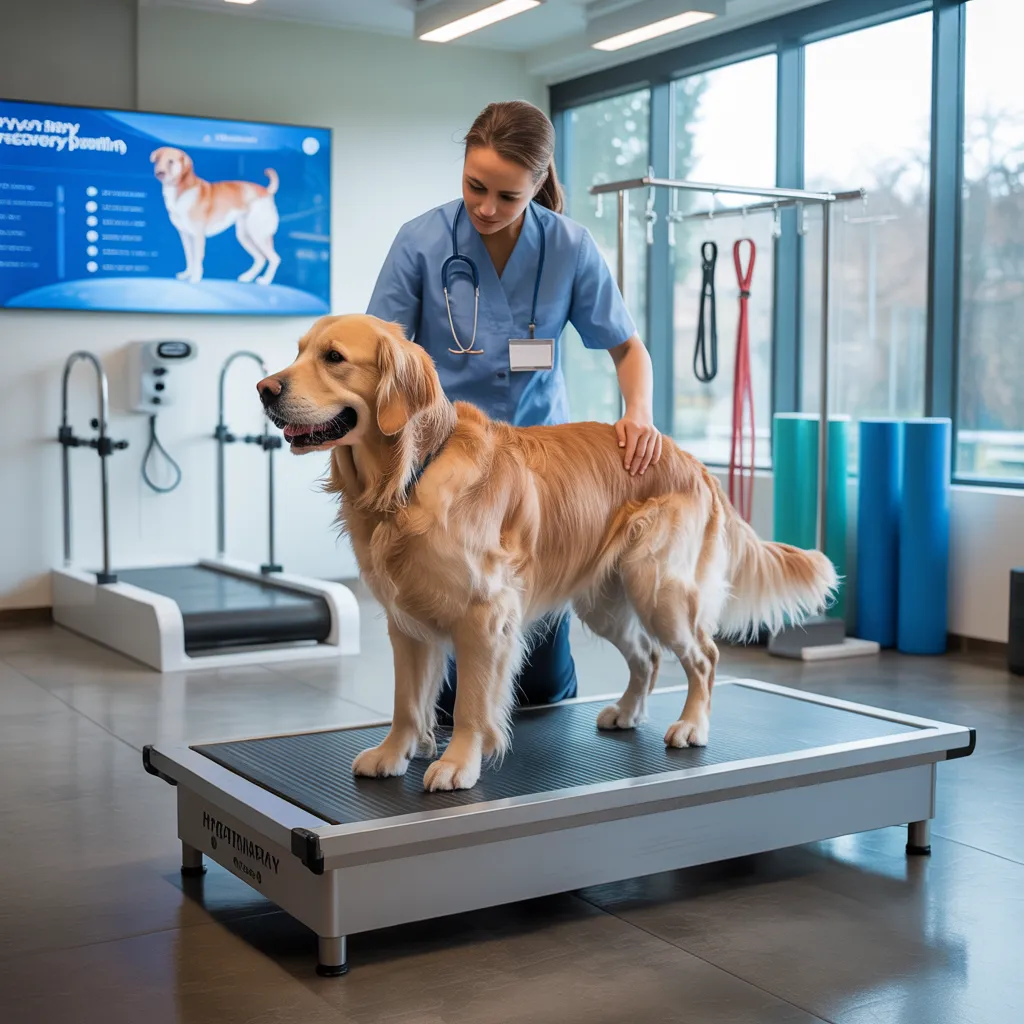
Managing hip dysplasia through conservative treatment can greatly enhance a dog's overall well-being. This approach typically includes weight management, as maintaining a healthy weight reduces stress on the joints. Regular low-impact exercise, such as swimming or leisurely strolls, helps build up muscles around the hip joint without overexertion.
In addition, manual treatments, involving hydrotherapy and massage, can improve mobility and relieve aching. Nutritional supplements, like glucosamine and omega-3 fatty acids, strengthen joints and reduce inflammation.
Pet caretakers may also think about utilizing orthopedic mattresses and ramps to minimize stress during daily activities. Providing a cozy essential resource living space, with easy reach to food, water, and resting areas, can additionally improve a canine's health and comfort.
When should you consider the possibility of Surgery for Hip Dysplasia?
When a canine's quality of life is severely affected by hip dysplasia, surgical intervention may be required. Veterinarians generally recommend surgery when conservative management options, such as weight management and physical therapy, do not diminish pain or improve mobility. Signs that indicate surgery is needed include persistent limping, challenges standing, and reduced activity levels.
The choice to move forward with surgical intervention often is based on the dog's age, intensity of the ailment, and overall health. Surgical options range from femoral head ostectomy to total hip replacement, adapted to the specific needs of the dog. Additionally, timely action can lead to better results, as younger dogs tend to recover more effectively. Ultimately, the choice should require a thorough dialogue between the veterinarian and the pet owner, balancing the potential benefits against the hazards and costs associated with the surgical procedures.
Complementary Modalities and Their Role in Healing From Hip Dysplasia
Upon surgical treatment for hip dysplasia, supplementary treatments can play a significant role in facilitating recuperation and improving overall well-being. These therapies, including acupuncture, physical therapy, and hydrotherapy, can diminish pain, suppress swelling, and promote mobility in affected dogs.
Acupuncture has been proven to trigger the release of endorphins, delivering natural pain relief and encouraging healing. Physical therapy, customized to the dog's particular requirements, can reinforce muscles around the hip joint, improving stability and function. Hydrotherapy provides gentle physical activity, allowing dogs to develop muscular power and endurance without putting undue stress on their joints.
Additionally, health supplements including glucosamine and omega-3 fatty acids can aid joint health and reduce inflammation. By weaving these complementary therapies into the recovery plan, pet owners can help their dogs regain their quality of life and strengthen their overall physical and emotional health post-surgery.
Guidance on Managing Your Dog's Hip Dysplasia at Home
Managing a dog's joint condition at home necessitates meticulous focus to nutritional intake and activity levels. Implementing particular nutritional approaches can assist in maintaining joint function, while adjusting activity schedules guarantees that physical activity remains safe and beneficial. These methods are important for enhancing the dog's overall wellness and general health.
Nutritional Assistance Approaches
A healthy diet helps significantly with managing hip dysplasia in dogs. Offering premium protein sources is essential for preserving muscle mass, which helps joint stability. Additionally, supplementing with omega-3 fatty acids from fish oil can reduce inflammation and enhance joint health. Antioxidants, such as vitamins C and E, may also support cartilage health and overall joint function. It is advisable to track caloric intake to avoid obesity, as excess weight can increase joint strain. Supplements like glucosamine and chondroitin may further enhance joint support. Consulting a veterinarian can confirm that the dog's nutritional needs are met while handling specific health conditions associated with hip dysplasia, resulting in improved quality of life.
Exercise Adjustment Methods
Carrying out exercise modification methods is essential for dogs with hip dysplasia. Adjusting activity intensity helps prevent too much pressure on the joints. Short, managed walks are more beneficial than long hikes, permitting consistent exercise without excessive effort. Low-impact activities, including swimming or soft play, support strengthening muscles while minimizing pressure on hip joints. Owners must monitor their dog's response to exercise, ensuring any signs of discomfort are promptly addressed. Including rest days is essential to prevent fatigue and assist recovery. Additionally, utilizing supportive gear like harnesses can improve mobility during walks. Tailoring exercises to the dog's specific requirements promotes a healthy routine, ensuring their comfort and well-being while effectively managing hip dysplasia.
Popular Questions Asked Often
Can Dogs Inherit Hip Dysplasia?
Hip dysplasia can indeed be inherited in dogs. Genetic predisposition plays a significant role, with certain breeds being more susceptible. Responsible breeding practices and genetic testing can help lower the incidence of this condition.
Which Dog breeds Are Generally Prone to Hip Dysplasia?
Specific breeds, including German Shepherds, Golden Retrievers, and Bulldogs, are notably at risk to hip dysplasia. Genetic elements and overall skeletal makeup significantly contribute the rate of this problem within these designated dog breeds.
What Role Does Diet Have in My Dog's Hip Dysplasia?
Hip dysplasia in dogs is substantially affected by diet's role in body weight control and joint function. Balanced feeding supports an healthy weight, reducing strain on joints, while particular minerals may enhance cartilage function and general mobility.
Which specific exercises are advantageous for pets with hip dysplasia?
Particular exercises that are beneficial for dogs with hip dysplasia feature low-impact activities like swimming and walking on soft surfaces. These exercises fortify muscles, improve joint stability, and enhance overall mobility, decreasing discomfort and supporting a healthier lifestyle.
What Should We Know Regarding Long-Term Outcomes for Dogs With Hip Dysplasia?
Long-term results for dogs with hip dysplasia differ. Many dogs experience manageable pain and improved mobility through lifestyle modifications and therapeutic interventions. However, some may suffer from arthritis, leading to reduced quality of life over time.